
Are Seamless Gutters Worth It? Benefits, Costs & Considerations
For many homeowners, seamless gutters are worth the investment because they offer stronger leak protection, require less maintenance, and provide a more cohesive look compared to traditional sectional gutters. However, they’re not the right choice for every home, especially if upfront cost is a concern or if you prefer a DIY approach.
Seamless gutters differ from traditional gutter systems in that they are one continuous custom-fit gutter run with minimal “seams” or connections. Read on to learn more about seamless gutters, how they compare to sectional gutters, and whether installing them is right for you.
In this article:
- What are Seamless Rain Gutters?
- How Seamless Gutters Compare to Sectional Gutters
- Pros and Cons of Seamless Gutters
- How Much Do Seamless Gutters Cost?
- Are Seamless Gutters Worth It for Your Home?
- Frequently Asked Questions
What are Seamless Rain Gutters?
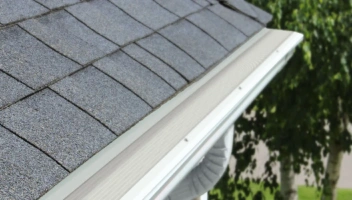
Seamless gutters are continuous sections of guttering that professionals custom-fabricate on-site to fit your home’s exact roofline measurements. Unlike traditional sectional gutters, which are assembled from pre-cut pieces joined together with connectors, seamless gutters have no seams along their horizontal runs—only at corners and where downspouts connect.
This key difference matters because seams are the most common failure points in gutter systems. Sectional gutters rely on multiple joints sealed together, which can separate, crack, or leak over time. By eliminating most seams, seamless gutters reduce the risk of leaks, clogs, and debris buildup, resulting in more reliable water flow.
In addition, seamless gutters help protect the roofline, soffit, fascia, foundation, and basement by directing water away from the home more efficiently, lowering the risk of water damage, erosion, and costly repairs over time.
How Seamless Gutters Compare to Sectional Gutters
Understanding the differences between seamless and sectional gutters can help you decide which system makes the most sense for your home. The main distinctions come down to leak risk, and durability, maintenance requirements, appearance, and custom fit.
Leak Risk and Durability
Seams and joints are often the primary failure points in any gutter system because they rely on sealants that can deteriorate over time. Traditional sectional gutters have joints every 10 to 20 feet, where pieces connect, and each joint represents a potential leak point as connectors dry out and heating and cooling cycles cause sections to expand and contract.
Seamless gutters have far fewer vulnerable points along the gutter runs, which means fewer opportunities for leaks and less risk of water escaping and damaging your fascia, foundation, siding, or landscaping.
Maintenance Differences
Seamless gutters generally require less maintenance because they have fewer joints where debris can accumulate and create clogs. In sectional gutters, leaves and twigs often catch at the seams, creating blockages that require more frequent cleaning. Seamless gutters still require periodic cleaning, typically once or twice a year depending on surrounding foliage and climate, to ensure proper drainage.
With proper installation and upkeep, seamless gutters can last up to 30 years, depending on material and environmental conditions. Seamless gutters, like all gutter systems, are at risk of damage or dents from heavy rainstorms or falling branches. Because they are formed in continuous runs, repairs may require professional service and replacement of a longer section, rather than a single small piece.
That said, neither system is truly “maintenance-free” because all gutters need periodic inspection and cleaning to function properly.
Appearance and Custom Fit
Seamless gutters offer a more streamlined, uniform appearance because they lack the visible connectors and seams found in sectional systems. This creates long, clean lines along the roof edge that many homeowners prefer from a curb appeal standpoint.
Because seamless gutters are custom-fabricated on-site, they are sized to fit your home’s roofline precisely, which helps minimize gaps and alignment issues that can contribute to leaks. LeafFilter’s Seamless gutters can also be paired with Enduralast™ Gutter Coating, available in a variety of color options, to help match your home’s exterior and provide additional durability.
Pros and Cons of Seamless Gutters
| Pros of Seamless Gutters | Cons of Seamless Gutters |
|---|---|
|
|
How Much Do Seamless Gutters Cost?
Seamless gutters typically cost more upfront than traditional sectional gutters because they require professional installation and on-site fabrication. The total cost depends on several factors, including the size of your home, the length of the gutter runs, installation complexity, and local labor rates. Homes with multiple stories, steep rooflines, or complex architectural features often have higher installation costs due to added labor and access challenges.
While the initial investment is higher, many homeowners view seamless gutters as a better long-term value. Fewer seams mean fewer leak-prone joints, reduced maintenance needs, and a longer overall lifespan compared to sectional systems. Over time, these benefits can help offset the higher upfront cost.
If you want the most budget-friendly option and don’t mind more frequent maintenance, traditional sectional gutters may be sufficient. If you want durability to minimize maintenance, seamless gutters are often the better choice for long-term value.
Installing Seamless Gutters
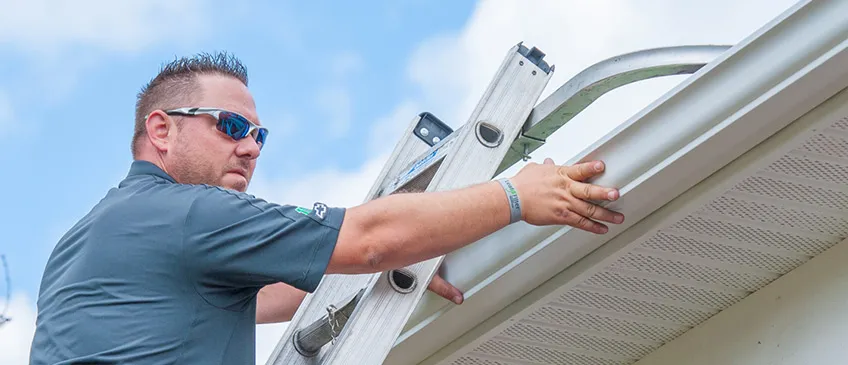
Because seamless gutters are custom-fit, they require professional installation from experienced gutter contractors to ensure optimal performance. The process requires precise measurements, specialized on-site roll-forming equipment, and careful setup to ensure proper pitch and drainage. Installers also evaluate the condition of the fascia, roof edge, and existing drainage before installation, addressing any issues that could affect performance.
Proper installation is critical. Even small errors in slope, hanger spacing, or alignment can lead to poor water flow, leaks, or long-term damage to your home’s exterior and foundation.
When choosing an installer, look for contractors who are licensed and insured, offer warranties, and can provide references from recent projects. The cost of seamless gutter installation varies based on factors such as home size, roof complexity, and access. For the most accurate estimate, an in-person assessment is typically needed.
Are Seamless Gutters Worth It for Your Home?
Seamless gutters are typically worth the investment for homeowners who want to reduce leak risk along long roof runs, live in areas with frequent or heavy rainfall, or plan to stay in their home long-term. By minimizing seams along horizontal runs, these systems can offer greater durability and require less ongoing attention than sectional gutters, particularly on larger or more complex roofs.
That said, seamless gutters may be less valuable for those with smaller homes who live in dry climates, or in situations where upfront cost and DIY flexibility are higher priorities. Evaluating your climate, roof design, and maintenance preferences can help determine whether seamless gutters are the right fit for your home.
Seamless gutters are often worth it if:
- You want to minimize maintenance and future repairs
- Your home is in a region with heavy or frequent rainfall
- You have long roof runs where multiple seams would increase leak risk
- You plan to stay in your home long-term and want a durable solution
- Curb appeal and a clean, polished exterior matter to you
They may not be worth it if:
- You have a small home with short gutter runs
- You live in a dry climate with minimal drainage demands
- Upfront cost is a primary concern
- You prefer the flexibility of DIY repairs and replacements
Ultimately, seamless gutters are a smart investment for homeowners who value long-term performance and lower maintenance over initial cost savings—especially in climates where gutters play a critical role in protecting the home from water damage.
Frequently Asked Questions
Do seamless gutters last longer than sectional gutters?
Seamless gutters often have a longer lifespan than sectional gutters because they have fewer seams where leaks and failures can occur. A seamless gutter system’s longevity ultimately depends on the quality of installation, the material used, and how well the gutters are maintained. With proper maintenance, seamless gutters can last up to 30 years, while traditional gutters average 20 years or more, depending on upkeep. While both types can last decades when properly cared for, seamless gutters generally experience fewer premature failures at connection points since there are minimal seams to deteriorate over time.
Can seamless gutters clog?
Yes, seamless gutter systems without gutter guards can still clog if they are not regularly cleaned and debris like leaves, twigs, and shingle grit accumulates inside them. While they may experience less debris buildup at seams compared to sectional gutters, they still require regular cleaning and inspection to maintain proper water flow. No gutter system is immune to clogging without regular maintenance or protective measures such as gutter guards.
Are seamless gutters harder to repair?
Seamless gutter repair can be more complex than repairing sectional systems. Because they’re fabricated in continuous sections, you can’t simply replace a damaged segment by swapping out a pre-cut piece. If a portion is dented, corroded, or damaged, it may require cutting out and re-fabricating a custom section to match. In contrast, sectional gutters allow you to replace individual pieces more easily but may also require replacement more frequently.
Are seamless gutters worth the extra cost?
Yes, for many homeowners, seamless gutters are worth the higher upfront investment because they offer better leak protection, require less maintenance, and typically last longer than regular gutters.
Do seamless gutters increase home value?
Seamless gutters can improve your home’s curb appeal and may be attractive to potential buyers; however, they might not provide a significant return on investment in terms of direct resale value. Their main value is in protecting your home from water damage, improving its condition long-term, and reducing ongoing maintenance.